
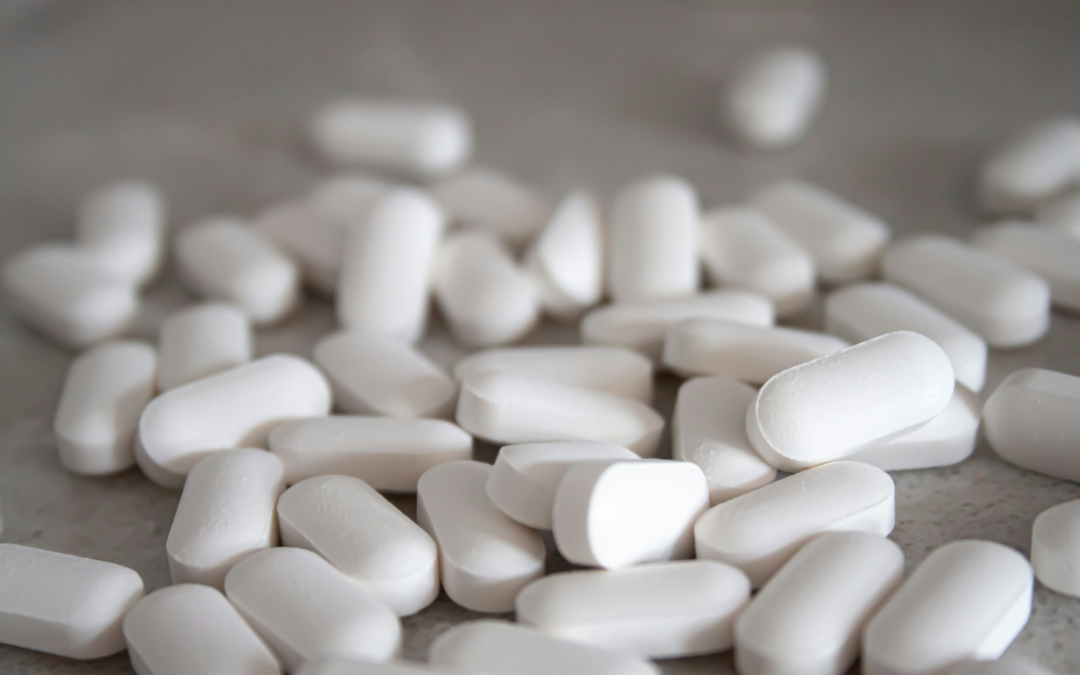
When taken occasionally, Tylenol, also known as acetaminophen, can be a helpful medication to treat fever and pain. The unfortunate reality is, Tylenol is taken frequently for extended periods by many, and “acetaminophen toxicity accounts for 50% of all reported cases of liver failure in the United States” 1. It also accounts for 56,000 emergency department visits, 2,600 hospitalizations, and around 500 deaths annually 1.
While acetaminophen is mostly broken down (metabolized) & excreted without an issue, some is processed through a pathway that results in production of a toxic metabolite which must be neutralized by glutathione – the body’s master anti-oxidant 6. While glutathione is more concentrated in hepatocytes (liver cells) than other cells throughout the body, levels of this important free radical scavenger are likely to be suboptimal in individuals utilizing acetaminophen – those with poor diets, infection, or chronic inflammation. Glutathione production is ATP-dependent (requires energy) and requires 3 conditionally essential amino acids and micronutrients such as riboflavin and selenium. Other antioxidants such as Vitamin C and Vitamin E are protective of robust glutathione levels – all which require a nutrient rich diet 2.
Depending on your nutrient status, genetics, and toxic load, the threshold for what makes acetaminophen toxic will be different for different people. This is likely why many of the studies on the link between acetaminophen use and neurodevelopment disorders have mixed results – it is nearly impossible to control for these three variables.
So, what is one to do if they want to stop, reduce or avoid use of acetaminophen? Conventional medicine’s secondary go-to would be non-steroidal anti-inflammatory medications (NSAIDs) such as ibuprofen or naproxen, which again can be useful on occasion, but come with their own set of downfalls. At higher doses or with chronic use, NSAIDs are well known to cause stomach erosion/inflammation and kidney toxicity. They can also worsen hypertension and create unfavorable changes in microbiome composition. In the following, I’ll address non-pharmacologic treatments to replace the use of oral acetaminophen or NSAIDs for the following conditions: fever, headache, and arthritis.
Fever
It is first pertinent to define what a fever is and its purpose in the body. A fever is defined as a temporary rise in core body temperature above 100.4 degrees Fahrenheit. This rise is typically in response to the presence of a pathogen (virus or bacteria) and is a normal and healthy physiologic immune response. I use emphasis here because there are many individuals who treat fever as something to fear, something that must be “treated” or reduced at all cost. But there is a saying in healthcare you should know – treat the person, not the fever. Are the body aches unbearable? Is your child lethargic? Is the fever >103.5? Then by all means, treat it with medication. But if your temperature is 101 and you just want to lay in bed, go do that! And let the fever do its job – it may even shorten the duration of your illness3.
If you have a fever and you want to avoid medication, here is what I would recommend:
- A tepid/lukewarm bath
- Cool rags in the folds (armpits & groin) + across the forehead
- Light clothing and linens
- Stay hydrated! And replace electrolytes if you are sweating a lot and/or losing fluids through diarrhea or vomiting
- REST! The body is wise, learn to listen to it.
- Moringa or Ginger tea (do not use during pregnancy or in children) 4
Headache
Headaches come in all shapes and sizes, and most of us have experienced at least one in our lifetime. The most common headache type is a tension headache, but 12-14% of the US population suffer from Migraines 5. Migraine headaches are a significant cause of disability, especially in women, stealing time away from work, friends, and family. Over the counter pain relievers are typically an initial go-to for headache sufferers, and a significant portion of individuals cannot utilize NSAIDs due to pregnancy or other conditions for which they are contraindicated (hypertension, IBD, etc.), leaving acetaminophen as the only option. And, again, occasional acetaminophen use is likely inconsequential, but for someone with chronic/recurrent headaches (or other chronic pain), finding other options to reduce frequency and severity is ideal.
If you have occasional or recurrent headaches, and want to stop, reduce, or avoid utilizing acetaminophen, here’s what I recommend:
- Magnesium (and riboflavin!) supplementation (for prevention) 7 8
- Epsom salt baths for acute HA
- Peppermint essential oil (safe during pregnancy) 9
- Acupuncture 10
- Journaling for triggers (with recurrent/chronic HA, which is often tied to hormonal imbalance and/or gut health) 11 12
Arthritis
While there are several types of arthritis, this section will focus on osteoarthritis (OA), an inflammatory and degenerative joint disease that affects nearly 32 million Americans. OA prevalence/risk increases with age, obesity, overuse, prior injury, and decreased strength, while genetics may play a small role. Branded Tylenol created a higher strength version called “Tylenol Arthritis” for this very issue and is commonly utilized daily in people suffering from chronic pain associated with OA. One of the best ways to reduce OA pain is to lose weight. Not only does this reduce the pressure and load on the joints, but it also reduces chronic systemic inflammation. However, many patients feel stuck in a cycle of immobility, unable to gain strength/exercise due to their pain even with chronic medication use. If you’re looking for a way off the acetaminophen train for your OA, here’s what I recommend:
- Aquatic or low impact exercise
- Curcumin supplementation 13
- Collagen Supplementation 16
- PEMF (pulsed electro-magnetic frequency) treatment 17
- Platelet Rich Plasma + Hyaluronic Acid injections 14 15
The Role of Nutrition
There is a common theme among all these conditions, determining whether they will present at all and/or their severity – your diet and nutritional status. It is well documented that diets high in processed foods & refined carbohydrates (including alcohol), while low in micronutrients and protein underpin nearly all chronic disease development and play a role in frequency and severity of acute illness (think colds, influenza, etc.). The foods that come in packages or fast food windows with an ingredient list a mile long full of words you cannot pronounce are wrecking your gut health, destroying your metabolism, and hijacking your brain. There is no one size fits all diet, but the principles of consuming a nutrient- dense whole-foods diet can be universally applied.
Change is hard. Eating well is hard when eating poorly is so convenient, inexpensive, and designed to keep you coming back. But so is staying sick. You cannot rely on motivation – this will wax and wane. You must rely on decision discipline – making choices that align with your goals even when you don’t feel like it. Start small. One drink, meal, snack, or ingredient over time – then keep building upon your changes, and in a year you’ll be a different person.